
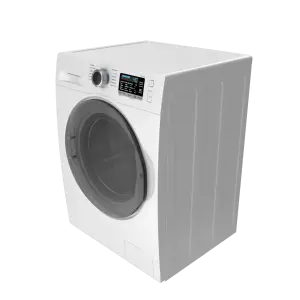


Same day washer repair in Portage park, Franklin park, Park ridge, Chicago.
If your washing machine won’t drain, won’t start, stops in the middle of the cycle, we’ll diagnose and fix the issue quickly. We repair all major brands, including Samsung, LG, Whirlpool, Bosch, GE, and more.
We offer washer repair of any brand in any condition. Our technicians have a lot of parts in stock so we can fix your washer at first visit.
Schedule Your Repair Today!
Don’t wait—get your appliances fixed now! Call us at ☎️ +17732434565.
🚨 Washing Machine Making Noise in Portage Park? Here’s What Happened on a Real Service Call
If your washing machine has started making strange sounds — grinding, knocking, or clunking — you’re not alone. We recently helped a customer in Portage Park, Chicago, with exactly that issue. Here’s how it went and what you should know if you're dealing with something similar.
🔍 The Call: “My Maytag MVWB765FW4 Washer Sounds Like It’s Grinding Something…”
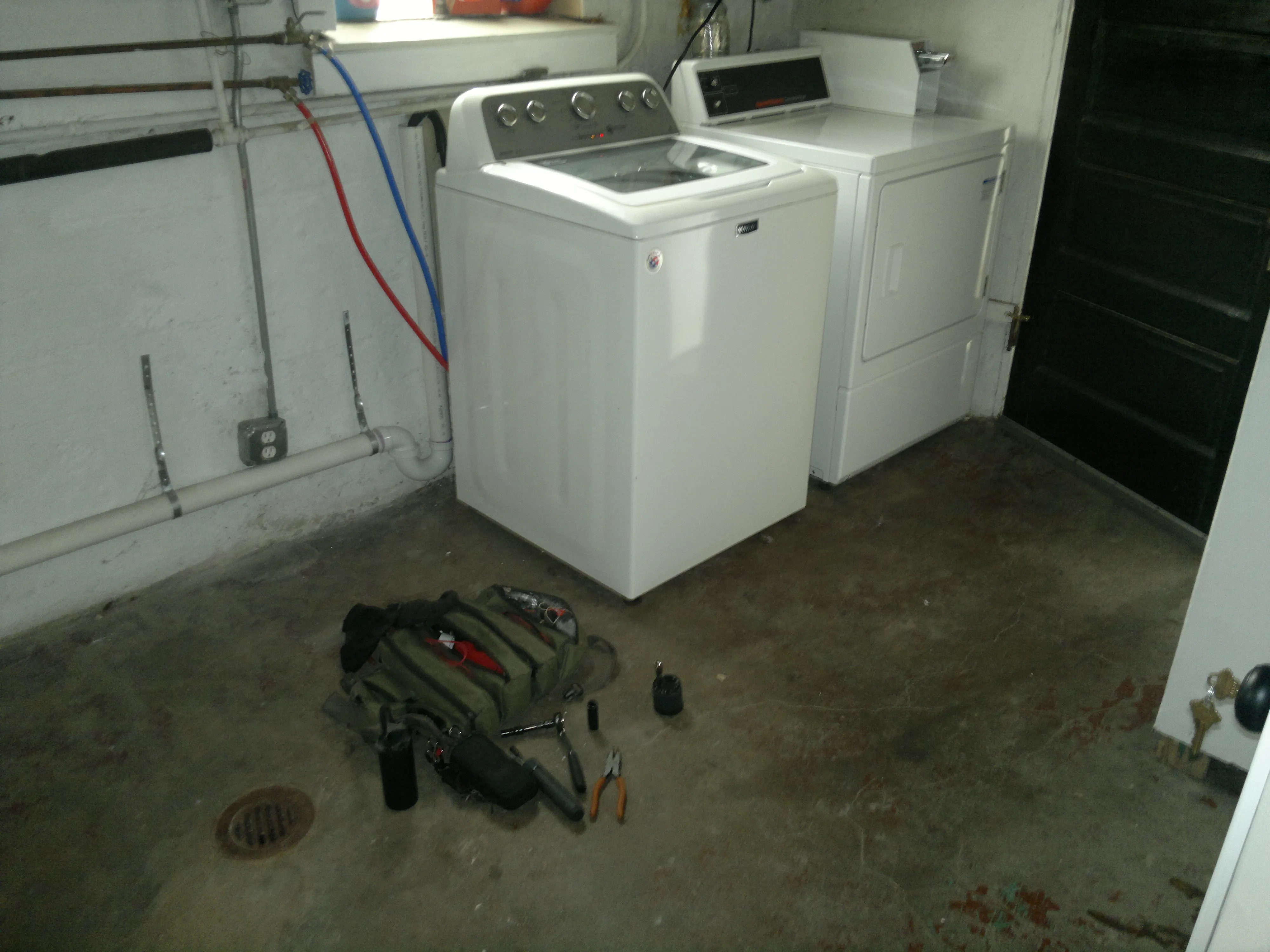
Our customer reached out, worried about a loud noise during the spin cycle. It sounded like something was knocking around inside. We scheduled a same-day visit and sent a technician straight to their Portage Park home.
👨🔧 Diagnosis on the Spot
Once on-site, our tech ran a quick rinse and spin cycle. Sure enough, as the machine started up, the noise kicked in — loud and unmistakable.
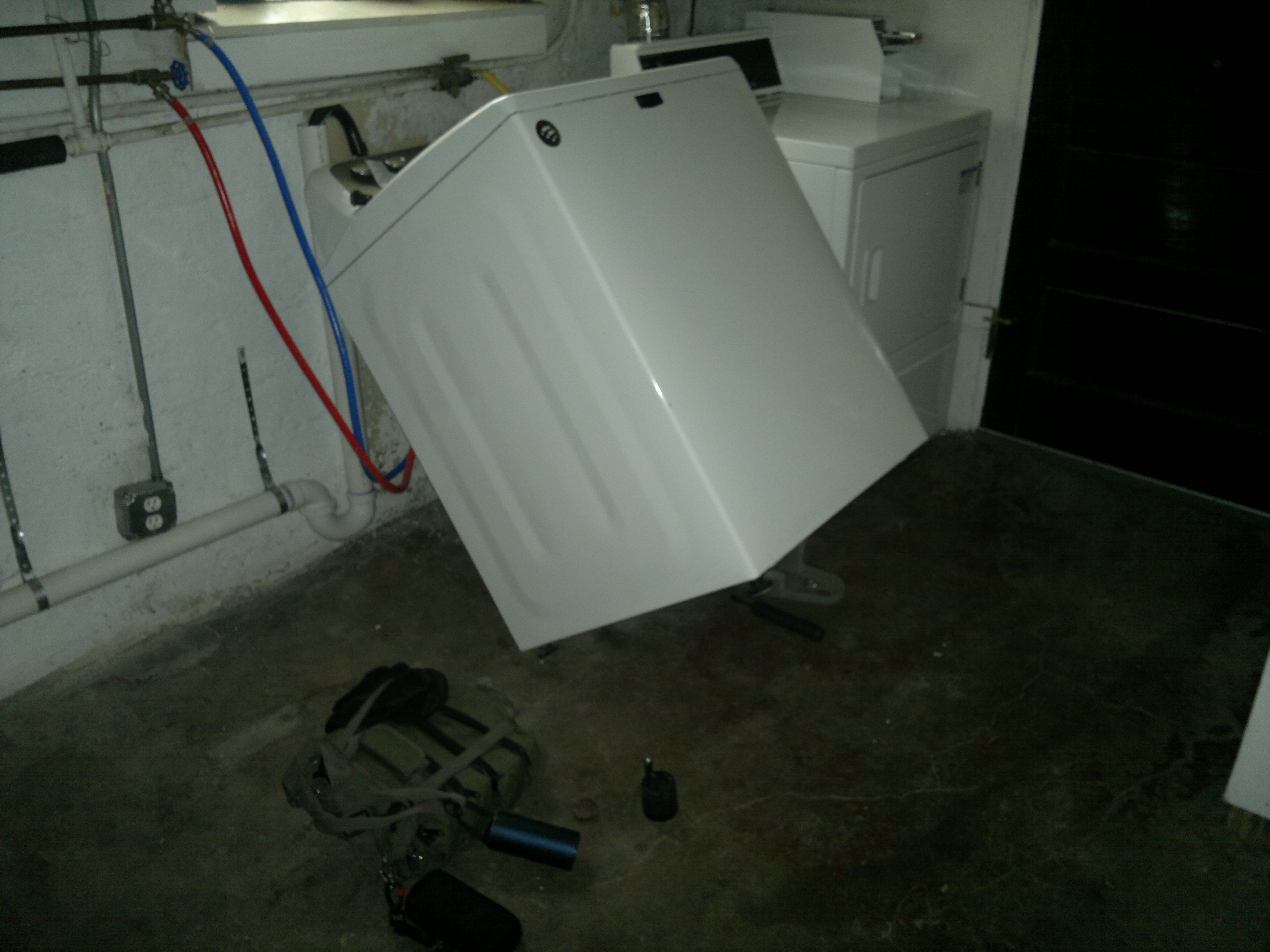
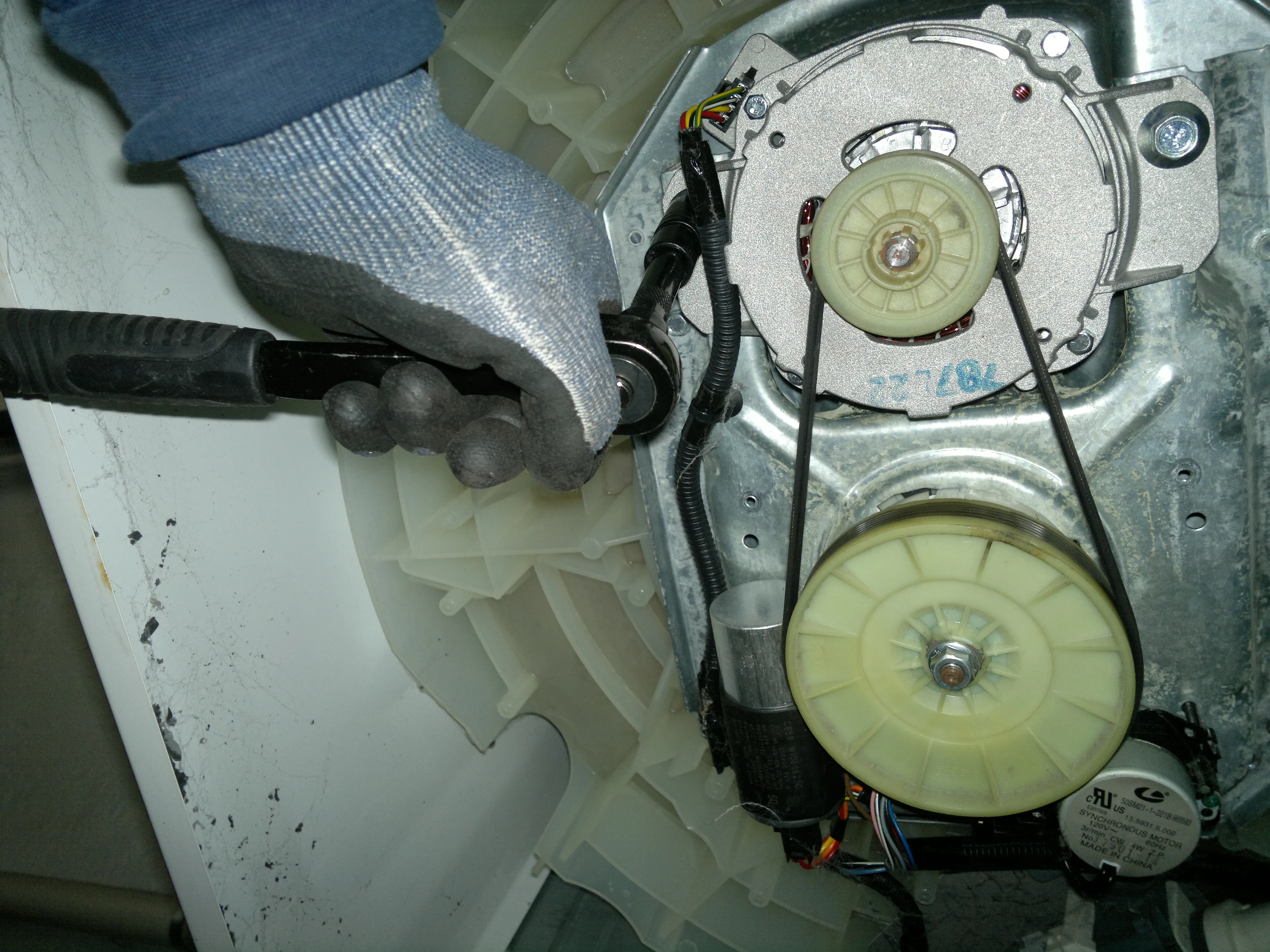
We tilted the washer back (safely, of course) to inspect underneath. After removing the drive belt and checking the pulleys, we found the real culprit: the electric motor.
🛠️ What Was Causing the Noise?
Turns out, the plastic cooling impeller inside the motor had slipped off its shaft. It's designed to cool the motor, but over time, it had loosened and started rattling. Unfortunately, this tiny part isn’t sold separately — and replacing the entire motor would’ve been overkill.
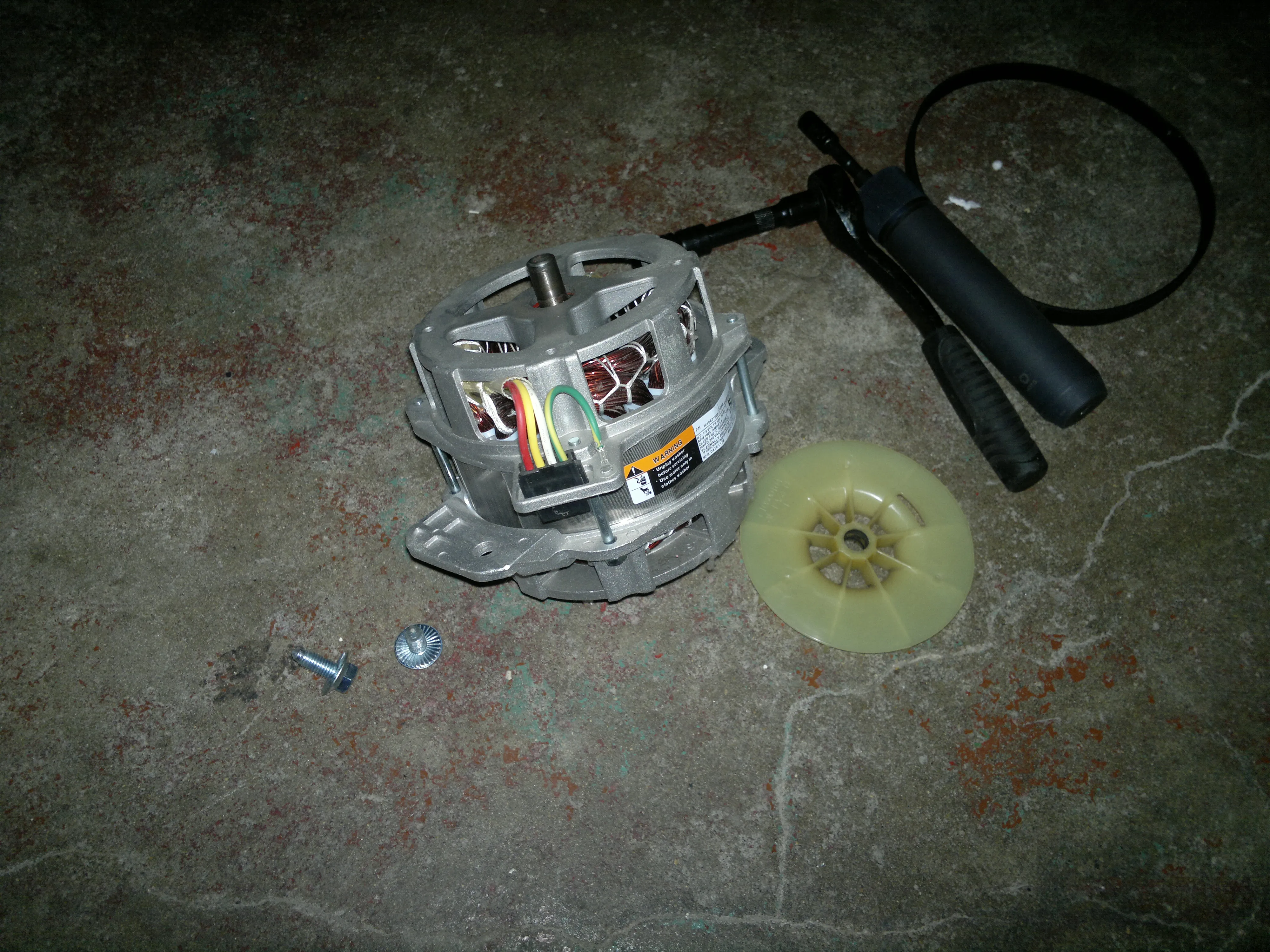
So what did we do?
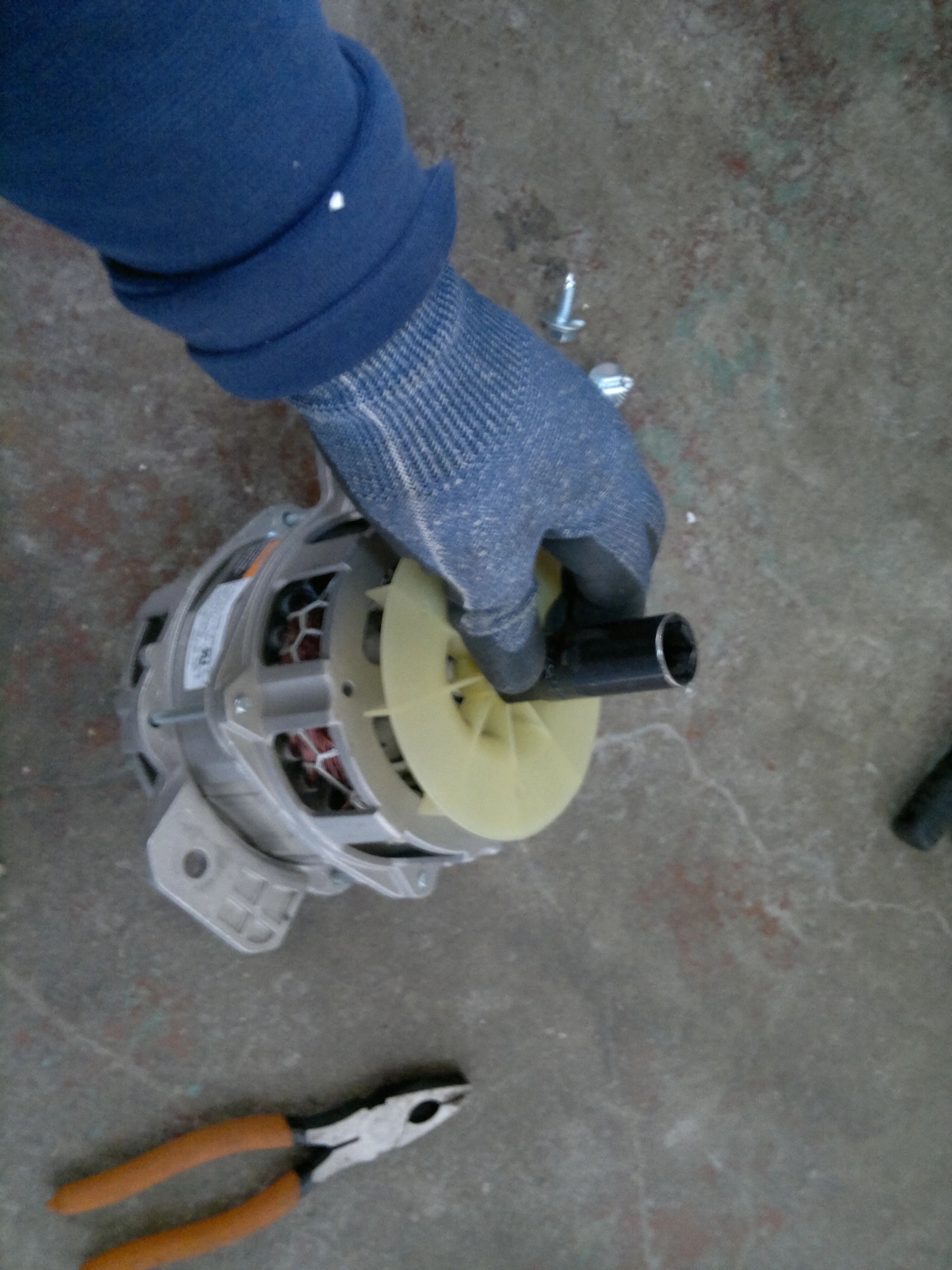
Our technician refitted the impeller using a snug, secure method with abrasive pads, locking it in place to prevent future slipping. Everything went back together smoothly, and the washer ran like new — quiet and steady.
💡 Takeaway: Not Every Fix Needs Expensive Parts
This repair is a great example of why calling a pro pays off. We saved the customer money and time by fixing the real issue — not just replacing parts unnecessarily.
🧼 Having Washer Issues in Portage Park?
If your washing machine is making noise, not draining, or refusing to spin, we’re here to help — fast. We serve Portage Park and nearby neighborhoods with same-day, on-site repairs.
✅ Experienced local techs
✅ Repairs on the first visit
✅ Fair pricing, no surprises
📞 Call us today +17732434565 — we’ll get your washer back to quiet and reliable in no time.
Related pages: Washer repair Chicago | Dryer repair Portage Park | Appliance repair Portage Park.
Washer repairs we have actually run in Portage Park
Between Apr 2025 and Sep 2026 we closed 7 washer calls in Portage Park (60641) — part of 18 appliance jobs on this route. The brands we actually opened up here: Samsung, Whirlpool, Maytag. The fault we hit most often on washers in Portage Park is motor replaced (2 of 7 visits).
| Date | Where | Unit | What we did |
|---|---|---|---|
| 2026-09-16 | 5000 block of W Cornelia Ave | Washer | Motor replaced |
| 2026-09-11 | 5200 block of W Montrose Ave | Samsung washer | Repair completed |
| 2026-08-04 | 4100 block of N Leclaire Ave | Washer | Repair completed |
| 2026-07-28 | 5100 block of W Newport Ave | Whirlpool washer | Diagnostics and repair |
| 2026-07-14 | 5300 block of W Cuyler Ave | Washer | Repair completed |
| 2026-06-03 | 5000 block of W Waveland Ave | Washer | Leak repaired |
Why washers in Portage Park break the way they do
Portage Park sits in the bungalow belt: 1920s brick bungalows and Georgians with full basements, most still owner-occupied. Basements mean full-size top- and front-loaders on concrete, usually a decade or more old and rarely replaced while they still run. Motors, couplers and transmissions are what we change here — the same repair that would be written off as uneconomic on a compact condo unit.
Every job above is a real visit from our dispatch log; house numbers are rounded to the block and unit numbers left out. If your washer is doing something that is not on this list, call or text +1 (773) 243-4565 — we are on this route most weeks.
From our repair log: grinding noise on the spin cycle, Portage Park
A washer that knocks and grinds during the spin cycle is the single most common complaint we get in Portage Park. Here is one of those calls, start to finish.
We received a service call from a customer in Portage Park reporting loud grinding and knocking noises coming from their washing machine during operation. Our technician arrived within a couple of hours and began a thorough diagnostic.

After starting the rinse and spin cycle and waiting for the washer to fill and engage, the described noise was clearly audible. It appeared to come from the motor and transmission area. The technician stopped the cycle, drained the water, and tilted the washer back to safely access the components underneath.

With the drive belt removed and the pulleys manually inspected, it was confirmed that the noise originated from the electric motor. To determine the exact cause, the technician disconnected the wiring, unscrewed the mounting bolts, and removed the motor by turning it counterclockwise.

The issue was found in the cooling impeller located at the top of the motor. This plastic fan is simply press-fitted onto a smooth shaft with no locking mechanism. Over time, it had slipped off, causing it to rattle. Unfortunately, the impeller is not available as a separate replacement part, and replacing the entire motor would have been unnecessarily expensive.

To fix it, the technician used abrasive pads to create a snug fit and reinstalled the impeller securely, preventing it from slipping in the future. All parts were reassembled in reverse order.

The washing machine now runs smoothly and quietly. The repair was completed on the first visit — efficiently and affordably.
Getting to a washer in a Portage Park basement
Portage Park covers parts of three ZIPs — 60630, 60634 and 60641 — and most of what we walk into here is the same shape of house. A Chicago bungalow is a brick box of one and a half storeys sitting on a full basement, and 189 of them stand inside the Portage Park Bungalow Historic District alone, all built between 1915 and 1930. Two-flats fill in the rest of the blocks. The front porch climbs from street level, so the laundry pair almost never came in through the front door: it came down a narrow rear stairway, and that is the way a motor, a pump or a whole machine has to go back out.
That matters for the appointment, not just for the story. Lots here run about 25 feet wide, with a rear alley behind them, so we ask which door we should use and whether the alley is clear. If the basement stair has a turn in it, we plan on pulling the machine forward and working from the front and the top rather than walking it up. In a two-flat the laundry is often shared, sitting in a common basement between the units — we would rather know that before we arrive than negotiate access on your doorstep.
Half of "it flooded" is not the washer
Laundry moved into Chicago basements in the 1920s, which means these machines drain into plumbing that is roughly as old as the house. The city's sewers were largely built before 1930 and carry storm water and sewage in the same pipe. The Metropolitan Water Reclamation District's own modelling puts the tipping point at about two thirds of an inch of rain in a single hour; past that the pressure has nowhere to go but backwards, and in a bungalow it comes up through the basement floor drain.
So when a Portage Park washer "floods the basement" or "stops draining", the first question is where the water is arriving from. A few things we look at before blaming the drain pump:
- Is the hose dropped into a standpipe, hooked over a laundry tub, or pumped up into an ejector pit? Each one fails differently. - Has the house been retrofitted with a backwater valve or an overhead sewer? A valve that has closed against a storm will stop your washer mid-drain and there is nothing wrong with the machine. - Is the drain hose sealed into the standpipe? It should not be. The air gap is what makes a blocked line spill onto the floor instead of siphoning back into the drum. - Does the floor drain show sediment or a tide line? That points at the sewer, not the appliance.
What to tell us when you book
The more of this we have up front, the better the odds of finishing in one visit: the model tag (a phone photo is fine), whether the fault shows on every cycle or only on spin, where the machine drains to, whether the basement is on an overhead sewer, how many steps there are and which door to use. If the trouble started during or just after heavy rain, say so — that changes what the technician brings.
Repair or replace, in a basement
The honest answer depends on what the machine is and where it stands. A full-size unit bolted to a basement floor is worth mechanical work that nobody would do on a compact stacked pair in a condo closet, which is why the jobs in our log above run to drive and motor parts. We charge a flat $75 service call that covers diagnosis and a written estimate, waived if you approve the repair, and $30 for each extra appliance while we are there. If the sensible answer is to replace the machine, we will say that on the visit instead of selling you a part.